Introduction
Canada is often viewed as a global leader in cannabis regulation. Since nationwide legalization in 2018, the country has built a tightly controlled framework governing everything from cultivation and distribution to packaging and advertising. Yet despite this structured system, confusion still exists — especially around CBD and THC.
Many Canadians assume CBD is regulated differently because it doesn’t produce intoxicating effects. Others believe hemp-derived CBD falls outside federal cannabis law. The reality is more nuanced.
This in-depth guide explains the legal differences between CBD and THC in Canada, how they’re regulated under federal law, how provinces manage retail sales, and what consumers need to know to stay compliant.
Understanding the Basics: What Are CBD and THC?
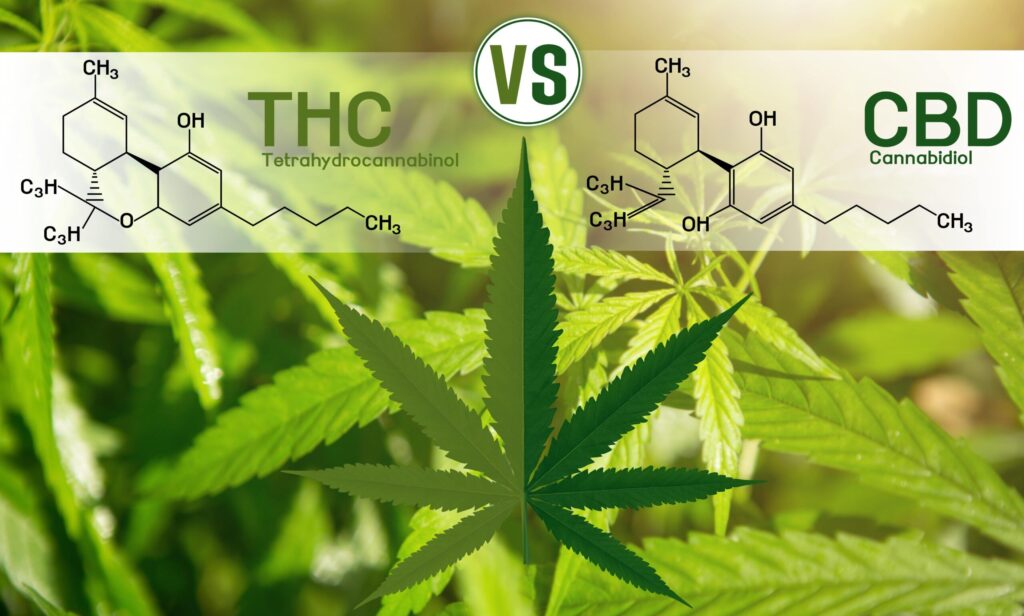
CBD (cannabidiol) and THC (tetrahydrocannabinol) are cannabinoids — naturally occurring compounds found in the cannabis plant. While both interact with the body’s endocannabinoid system, their effects differ significantly.
THC: The Psychoactive Compound
THC is responsible for the intoxicating “high” commonly associated with cannabis. It binds directly to receptors in the brain, influencing mood, perception, coordination, and cognition.
Common effects may include:
- Euphoria
- Altered sensory perception
- Changes in time perception
- Relaxation
- Increased appetite
Because THC affects cognitive and motor function, it is subject to impaired driving laws and workplace policies.
CBD: The Non-Intoxicating Compound
CBD does not produce intoxicating effects. It interacts more indirectly with the body’s endocannabinoid system and is often associated with balance and relaxation without impairment.
Many consumers choose CBD products specifically because they want the potential benefits of cannabis without experiencing a “high.”
Despite this pharmacological difference, Canadian law treats both compounds under the same regulatory umbrella.
The Legal Foundation: The Cannabis Act
CBD and THC are regulated under the Cannabis Act, which came into force on October 17, 2018.
The Cannabis Act established the legal framework for:
- Recreational cannabis use
- Medical cannabis access
- Licensing of producers
- Distribution systems
- Retail sales
- Packaging and labeling standards
- Advertising restrictions
Crucially, the Act does not distinguish between CBD and THC in terms of legality. Both are legally defined as cannabis derivatives.
This means:
- CBD is not classified as a natural health product.
- CBD cannot be sold in standard retail stores unless licensed under cannabis regulations.
- Hemp-derived CBD is regulated the same way as other cannabis extracts.
This is one of the biggest legal distinctions between Canada and countries like the United States, where hemp-derived CBD may fall under separate laws.
Federal vs. Provincial Oversight
Canada operates under a dual regulatory system:
- The federal government regulates production and licensing.
- Provincial governments manage distribution and retail sales.
Federal Authority (Health Canada)
Health Canada oversees:
- Licensing cannabis producers
- Quality control and testing standards
- Packaging requirements
- Product categories allowed for sale
- Medical cannabis framework
All CBD and THC products sold legally in Canada must originate from federally licensed producers.
Provincial Authority
Each province controls:
- Retail store licensing
- Age restrictions (within federal minimum guidelines)
- Online sales platforms
- Store density and zoning
While federal law applies nationwide, the consumer experience may differ slightly depending on the province.
Purchasing CBD vs. THC in Canada
One of the most common misconceptions is that CBD can be purchased anywhere. This is not accurate.
Where You Can Legally Buy CBD and THC
Both CBD and THC products must be purchased from:
- Licensed provincial online stores
- Authorized cannabis retail shops
Examples include provincially managed retailers such as:
- Ontario Cannabis Store (OCS)
- BC Cannabis Stores
- Société québécoise du cannabis (SQDC)
Unlicensed websites, convenience stores, or health food shops cannot legally sell CBD unless authorized under cannabis regulations.
This is a major legal distinction from countries where CBD products may be sold freely in wellness stores.
Age Restrictions Across Canada
Minimum age requirements vary by province:
- 18 years old in Alberta
- 19 years old in most provinces and territories
- 21 years old in Quebec
These age limits apply equally to both CBD and THC products. There is no reduced age threshold for CBD despite its non-intoxicating properties.
Possession Limits: Are CBD and THC Different?
Under federal law, adults may possess up to 30 grams of dried cannabis (or its equivalent) in public.
Equivalency rules apply for:
- Cannabis oils
- Edibles
- Concentrates
- Capsules
CBD products count toward this limit just like THC products. There is no separate possession category for CBD.
Medical vs. Recreational Access
Canada maintains a parallel medical cannabis system.
Patients with authorization from a healthcare provider may:
- Register with a federally licensed producer
- Order cannabis directly by mail
- Access higher possession limits
Medical patients can purchase CBD-dominant or THC-dominant products.
However, even in the medical system:
- CBD is still legally considered cannabis
- It is not regulated as a supplement
- It cannot carry unapproved health claims
The distinction between medical and recreational channels affects taxation, access, and product availability — not the legal classification of CBD itself.
Advertising and Marketing Restrictions
Both CBD and THC products face strict marketing rules under the Cannabis Act.
Prohibited practices include:
- Health claims without authorization
- Youth-targeted advertising
- Lifestyle branding appealing to minors
- Influencer endorsements targeting young audiences
Packaging must be:
- Plain
- Standardized
- Child-resistant
- Displaying health warnings
- Showing THC and CBD content clearly
Even CBD-only products must follow these strict packaging guidelines.
Impaired Driving Laws
One of the clearest legal differences between CBD and THC lies in impairment regulations.
THC and Driving
Canada enforces strict impaired driving laws for THC. There are legal blood concentration limits, and penalties can include:
- Fines
- License suspension
- Criminal charges
Law enforcement uses roadside testing and blood analysis to determine impairment.
CBD and Driving
CBD does not cause intoxication and is not subject to THC blood concentration limits.
However:
- Some CBD products may contain trace THC.
- Full-spectrum products can contain small legal amounts of THC.
Consumers should always review product labels to ensure they understand cannabinoid content before driving.
Hemp-Derived CBD: Is It Different in Canada?
In some countries, hemp-derived CBD is treated differently from marijuana-derived CBD. In Canada, that distinction does not remove it from cannabis law.
Even if CBD is extracted from industrial hemp:
- It still falls under cannabis regulations.
- It must be produced by a licensed entity.
- It cannot be sold outside authorized cannabis channels.
This centralized control is designed to maintain quality and safety standards nationwide.
Workplace Policies and CBD vs. THC
Workplace cannabis policies often focus on impairment, not cannabinoid type.
While CBD does not intoxicate, employees should understand:
- Some CBD products may contain trace THC.
- Certain industries (transportation, construction, aviation) enforce strict drug testing policies.
- Positive THC tests could result from products containing THC.
Employers typically regulate impairment rather than distinguishing between cannabinoids.
Product Types: Are They Legally Treated Differently?
CBD and THC are available in similar formats, including:
- Oils and tinctures
- Capsules
- Edibles
- Beverages
- Topicals
- Vapes
The legal rules governing product categories apply to both cannabinoids equally.
Edibles, for example, are subject to:
- THC limits per package
- Strict labeling requirements
- Child-resistant packaging
CBD edibles must follow the same rules.
Taxes and Pricing Differences
Cannabis products in Canada are subject to:
- Federal excise duty
- Provincial taxes
- Sales tax
There is no special tax exemption for CBD products. Both CBD and THC are taxed under cannabis frameworks.
Price differences typically reflect production costs and cannabinoid concentrations rather than legal classification.
Provincial Differences in Retail Experience
While federal law governs legality, provincial policies influence:
- Store density
- Private vs. government-operated stores
- Online ordering systems
- Delivery options
For example:
- Alberta has a largely private retail model.
- Quebec operates through government-managed stores.
These differences affect how easily consumers access CBD and THC products, but not their legal classification.
International Travel Considerations
Even though cannabis is legal in Canada, it remains illegal in many countries.
It is illegal to:
- Cross international borders with CBD or THC.
- Travel between Canada and the U.S. with cannabis products.
This applies equally to CBD and THC.
Possession is only legal within Canadian borders.
Enforcement and Compliance
Health Canada and provincial authorities conduct:
- Inspections
- Licensing audits
- Product recalls
- Compliance monitoring
Both CBD and THC products must pass strict quality testing for:
- Potency
- Contaminants
- Microbial content
- Heavy metals
Licensed producers are held to rigorous standards regardless of cannabinoid type.
Key Legal Differences Summarized
While both compounds are regulated under the Cannabis Act, the main legal distinctions include:
- Psychoactivity – THC causes intoxication; CBD does not.
- Impaired Driving Laws – THC has defined legal limits; CBD does not.
- Public Perception & Policy Impact – THC carries impairment-related restrictions.
However, in terms of:
- Retail access
- Licensing
- Age limits
- Possession limits
- Packaging rules
- Taxation
CBD and THC are treated the same under Canadian law.
Why Canada Regulates CBD This Way
Canada’s unified cannabis framework was designed to:
- Ensure product safety
- Prevent youth access
- Control potency
- Maintain consistent national standards
By regulating CBD under the same structure, Canada avoids unregulated supplement markets that exist elsewhere.
This centralized system prioritizes oversight over market freedom.
Also Read: Why CBD Works for Some People and Not Others
Final Thoughts
CBD and THC differ significantly in how they affect the body — but legally, they share the same regulatory foundation in Canada.
Both are governed under the Cannabis Act, must be purchased from licensed retailers, are subject to age restrictions and possession limits, and follow strict packaging and advertising rules.
The primary legal difference lies in impairment and driving laws, where THC is tightly regulated due to its psychoactive properties, while CBD is not intoxicating.
For Canadian consumers, the most important takeaway is simple: if you are purchasing CBD, ensure it comes from a licensed cannabis retailer. Despite its non-intoxicating nature, it is still legally cannabis in Canada.