
Introduction
The immune system plays a vital role in protecting the body from infections, harmful microbes, and environmental stressors. It is a complex network of cells, tissues, and chemical signals that constantly work to identify and eliminate potential threats. However, maintaining a balanced immune response is just as important as having a strong one. When the immune system becomes overactive or underactive, it can contribute to various health concerns.
In recent years, cannabidiol (CBD) has attracted attention in the wellness and scientific communities for its potential interaction with several biological systems in the body. Among these areas of interest is the immune system. Researchers are exploring whether CBD may help support immune balance through its interaction with the endocannabinoid system and other signaling pathways.
While CBD is not a cure or treatment for immune-related diseases, understanding how it may influence immune responses can provide insight into its potential role in overall wellness.
Understanding the Immune System

The immune system is designed to detect and defend against pathogens such as bacteria, viruses, and other harmful organisms. It operates through two primary components: the innate immune system and the adaptive immune system.
The innate immune system acts as the body’s first line of defense. It includes physical barriers like the skin as well as immune cells that respond quickly to potential threats. The adaptive immune system, on the other hand, develops more specialized responses by producing antibodies and memory cells that recognize specific pathogens.
Maintaining balance within this system is essential. An immune response that is too weak may leave the body vulnerable to infections, while an overly aggressive immune response can lead to chronic inflammation or autoimmune conditions.
Because immune function involves many signaling pathways and regulatory mechanisms, scientists are interested in compounds that may help support healthy immune regulation.
What Is CBD?
CBD, short for cannabidiol, is a naturally occurring compound found in the hemp plant. It belongs to a group of substances known as cannabinoids, which interact with the body’s endocannabinoid system.
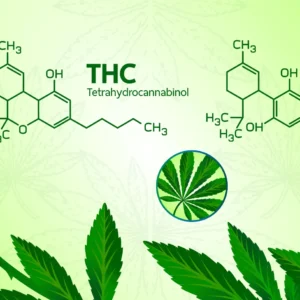
Unlike tetrahydrocannabinol (THC), CBD does not produce intoxicating or psychoactive effects. Instead, it is widely studied for its potential to support relaxation, stress management, and overall physiological balance.
CBD products come in many forms, including oils, capsules, gummies, and topical applications. Regardless of the delivery method, CBD is thought to influence several biological systems involved in maintaining internal stability.
The Endocannabinoid System and Immune Regulation
One of the key ways CBD may influence immune function is through the endocannabinoid system (ECS). The ECS is a regulatory network present throughout the body that helps maintain homeostasis.
This system includes three main components:
- Endocannabinoids, which are naturally produced molecules that act as signaling messengers
- Cannabinoid receptors, primarily CB1 and CB2 receptors
- Enzymes responsible for creating and breaking down endocannabinoids
While CB1 receptors are mostly found in the nervous system, CB2 receptors are commonly associated with immune cells and tissues. These receptors are involved in regulating immune responses and inflammatory processes.
CBD does not bind directly to these receptors in the same way some cannabinoids do. Instead, it appears to influence how these receptors respond to naturally occurring endocannabinoids, potentially helping maintain balance within immune signaling pathways.
CBD and Inflammation
Inflammation is a natural part of the immune response. When the body detects injury or infection, it triggers inflammation to help isolate and eliminate harmful agents. In the short term, this process is essential for healing.
However, when inflammation becomes chronic or excessive, it may contribute to a range of health issues. Researchers are studying CBD for its potential influence on inflammatory pathways.
Early studies suggest that CBD may interact with receptors and molecules involved in inflammatory signaling. By influencing these pathways, CBD may help regulate the body’s inflammatory response. This does not mean CBD eliminates inflammation entirely; rather, it may support a more balanced response.
Maintaining appropriate inflammation levels is an important aspect of immune system balance.
CBD’s Interaction With Immune Cells
Immune function relies on various specialized cells that communicate with one another through chemical signals. These include white blood cells such as macrophages, T cells, and B cells.
Research indicates that the endocannabinoid system plays a role in regulating the activity of these immune cells. Because CBD can influence ECS signaling, scientists are examining how it might affect immune cell behavior.
Some studies suggest that cannabinoids may help regulate immune cell responses, including the release of signaling molecules known as cytokines. Cytokines are essential for coordinating immune activity, but imbalances in their production may contribute to inflammatory conditions.
By influencing these signaling processes, CBD may help support a more balanced immune response.
The Role of Stress in Immune Health
Stress is a major factor that can affect immune system function. Prolonged stress can lead to increased levels of stress hormones such as cortisol, which may weaken immune defenses over time.
Many people use CBD as part of their wellness routine to help promote relaxation and support stress management. While CBD is not a replacement for stress management strategies, some research suggests it may interact with receptors involved in stress regulation.
By supporting the body’s response to stress, CBD may indirectly contribute to better immune balance. Reduced stress levels often help the body maintain healthier immune responses.
Antioxidant Properties of CBD
Another area of interest is CBD’s potential antioxidant activity. Antioxidants help protect cells from oxidative stress, which occurs when unstable molecules known as free radicals damage cells.
Oxidative stress has been linked to inflammation, aging, and various health conditions. Some laboratory studies suggest that CBD may exhibit antioxidant properties that could help reduce oxidative stress in certain contexts.
Protecting cells from oxidative damage may contribute to overall health and support systems involved in immune regulation.
CBD and the Gut–Immune Connection
The digestive system plays an important role in immune health. A large portion of the body’s immune cells are located in the gastrointestinal tract, where they interact with gut bacteria and dietary compounds.
Scientists increasingly recognize the relationship between gut health and immune function. Disruptions in the gut microbiome can influence immune responses and inflammatory processes.
CBD has been studied for its potential effects on gut inflammation and digestive balance. While research is still developing, some findings suggest that cannabinoids may influence pathways connected to gut health.
Supporting digestive balance may indirectly support the immune system as well.
Factors That Influence CBD’s Effects
CBD’s potential influence on immune balance may vary from person to person. Several factors can affect how the body responds to CBD.
Dosage is one important factor. Different amounts of CBD may produce different effects depending on an individual’s needs and body chemistry. Many people begin with smaller amounts and adjust gradually.
Body weight, metabolism, and overall health can also influence how CBD is processed by the body. Additionally, the type of CBD product used may affect the experience.
Full-spectrum CBD products contain multiple cannabinoids and terpenes from the hemp plant. Broad-spectrum products include several cannabinoids but typically remove THC, while CBD isolate products contain only pure CBD.
These variations may influence how CBD interacts with biological systems.
Choosing High-Quality CBD Products
For individuals interested in exploring CBD, product quality is an important consideration. Because the CBD market continues to grow, not all products are manufactured with the same standards.
Reliable brands typically provide third-party laboratory testing to confirm the purity and potency of their products. These reports help verify that a product contains the advertised amount of CBD and is free from contaminants such as pesticides or heavy metals.
Consumers often benefit from choosing products made from responsibly grown hemp and clearly labeled ingredients.
Safety Considerations
CBD is generally considered well tolerated, but it may not be suitable for everyone. Some individuals may experience mild side effects such as fatigue, dry mouth, or digestive discomfort.
CBD can also interact with certain medications by affecting how the body processes them. For this reason, individuals who take prescription medications or have underlying health conditions should consult a healthcare professional before using CBD products.
Responsible use and proper guidance are important when incorporating any supplement into a wellness routine.
Also Read: CBD vs. THC in Canada: Legal Differences Explained
The Bottom Line
Interest in CBD’s potential role in immune health continues to grow as scientists explore its interactions with the body’s regulatory systems. Through its influence on the endocannabinoid system, inflammatory pathways, and stress responses, CBD may contribute to maintaining balance within the immune system.
However, research is still ongoing, and much remains to be understood about how CBD affects immune function in the long term. While it shows promise as part of a broader wellness approach, it should not be viewed as a replacement for medical treatment or healthy lifestyle practices.
Supporting immune health typically involves a combination of balanced nutrition, regular physical activity, adequate sleep, and effective stress management. Within this broader framework, CBD may serve as one of many tools that individuals explore to support overall wellbeing and physiological balance.