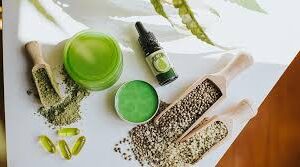

Hemp seeds are quickly becoming a staple in the world of health-conscious eating, praised for their nutrient-dense profile and versatile culinary uses. These small, nutty seeds have a long history, but they’ve recently gained significant traction as an ingredient in various food products. Their journey from the field to the table involves several steps, from cultivation and harvesting to processing and incorporation into the food industry.
In this blog post, we’ll explore the fascinating journey of hemp seeds, shedding light on their growing popularity, nutritional benefits, and how they make their way from seed to table. Whether you’re a health enthusiast, a farmer, or simply curious about where your food comes from, this guide will take you through the entire process.
The Growing Popularity of Hemp Seeds

Hemp seeds are a product of the hemp plant, a type of cannabis known for its low levels of THC (tetrahydrocannabinol), the compound responsible for its psychoactive effects. Unlike marijuana, hemp contains less than 0.3% THC, making it legal to grow and use in many countries around the world.
In recent years, hemp seeds have gained immense popularity due to their exceptional nutritional profile. They are rich in essential fatty acids, protein, fiber, vitamins, and minerals, making them an attractive option for vegan, vegetarian, and health-conscious individuals. These tiny seeds have a mild, nutty flavor and can be easily incorporated into various food products, including smoothies, energy bars, salads, and baked goods.
Hemp Seed Growth and Cultivation
The journey of hemp seeds begins on the farm. Hemp is a hardy plant that thrives in a variety of climates, making it well-suited for diverse agricultural environments. It is considered a sustainable crop because it requires fewer pesticides and herbicides than other crops and grows quickly, often in about 3 to 4 months.
Ideal Growing Conditions
Hemp seeds grow best in well-drained soil with plenty of sunlight. Hemp is a drought-tolerant plant, but it does require consistent moisture during its growing season to reach its full potential. The ideal temperature for hemp growth is between 60°F and 80°F (15°C and 27°C), and it requires a soil pH between 6 and 7.5.
Once planted, hemp plants grow tall with sturdy stalks, and the seeds are produced in small, hemp flower clusters. The flowers are the primary source of the seeds that will eventually make their way into the food industry. The seeds themselves are small and have a hard outer shell, which is removed during processing to make them more palatable and digestible.
Harvesting Hemp Seeds
Hemp seeds are typically harvested in late summer or early fall, once the plant has reached full maturity. The seeds are harvested when they are firm and no longer contain moisture, which can lead to spoilage.
During the harvest process, the hemp flowers are cut from the plants, and the seeds are separated using machines designed to remove the seeds from the stalks and flowers. At this stage, the seeds are still covered with a hard outer shell, which is known as the hull.
Processing and Refining Hemp Seeds
Once harvested, the seeds must undergo processing to make them suitable for human consumption. There are various ways hemp seeds are processed to prepare them for use in food products, including dehulling, cold-pressing, and refining.
Dehulling
The outer shell of hemp seeds is removed through a process called dehulling. This is typically done using mechanical machines that separate the edible inner part of the seed from the hard shell. Once the hull is removed, the seeds are much softer and easier to digest.
Dehulling also increases the nutritional value of the seeds, as the edible part contains most of the protein, essential fatty acids, and vitamins. The hulled hemp seeds are often referred to as “hemp hearts” and are commonly used in food products due to their high nutritional content.
Cold-Pressing for Hemp Oil
Hemp seeds are also cold-pressed to extract hemp oil, which has numerous culinary and health benefits. The cold-pressing process involves mechanically squeezing the seeds to extract the oil without using heat or chemicals, which helps retain the oil’s natural nutrients.
Hemp oil, rich in omega-3 and omega-6 fatty acids, is often used in salad dressings, cooking oils, and as an ingredient in various health supplements. The remaining hemp seed cake, which contains fiber and protein, can also be used as animal feed or processed further for plant-based protein products.
Refining and Packaging
Once the hemp seeds are dehulled and processed, they are packaged for sale in a variety of forms. They can be sold as raw hemp hearts, roasted, or ground into powder. These processed hemp seeds are then packaged in airtight containers to preserve their freshness and prevent spoilage. Depending on the product, hemp seeds may also be fortified with additional vitamins or minerals.
Incorporating Hemp Seeds into Food Products
Hemp seeds are incredibly versatile and can be incorporated into a wide range of food products. They are commonly used in plant-based products due to their high nutritional value and ability to provide protein and healthy fats.
Hemp Seeds in Snacks and Energy Bars
One of the most common ways hemp seeds are incorporated into food products is in the creation of energy bars, snacks, and protein bars. These bars often combine hemp hearts with other ingredients like nuts, dried fruits, and grains to create a nutritious and filling snack.
Hemp seeds add a pleasant crunch and nutty flavor, while also providing a protein boost that is especially valuable for vegans, vegetarians, and those following a plant-based diet. Because hemp seeds are rich in omega fatty acids, they also contribute to heart health and reduce inflammation.
Hemp Milk and Dairy Alternatives
Hemp seeds are also used in dairy-free alternatives such as hemp milk. Hemp milk is made by blending water with hulled hemp seeds, resulting in a creamy, plant-based beverage that is rich in healthy fats, protein, and essential minerals like calcium and magnesium.
Hemp milk is often fortified with additional vitamins, such as vitamin D and B12, to provide even more nutritional value. It’s a great alternative to cow’s milk for those who are lactose intolerant or following a vegan diet.
Hemp Flour for Baking
Hemp flour, made from ground hemp seeds, is used as a gluten-free flour substitute in a variety of baked goods. It can be used in bread, muffins, cookies, and pancakes, adding a nutty flavor and nutritional boost to the recipes. Hemp flour is high in protein and fiber, making it a great option for those seeking a healthier alternative to traditional flours.
Hemp Protein Powders
Hemp seeds are also processed into protein powder, which is a popular supplement for athletes, fitness enthusiasts, and those looking for plant-based protein options. Hemp protein powder is made from the leftover hemp seed cake after oil extraction and contains all nine essential amino acids, making it a complete protein source.
This protein powder can be added to smoothies, shakes, or baked goods for an added protein boost. It is easy to digest and is packed with fiber and essential nutrients, making it a perfect addition to a balanced diet.
The Future of Hemp Seeds in the Food Industry
As hemp seeds continue to grow in popularity, their applications in the food industry are expanding. With increasing consumer demand for plant-based and health-conscious products, hemp seeds are expected to become a more prominent ingredient in everyday food items.
Advancements in cultivation, processing, and product development will likely lead to even more innovative uses for hemp seeds in the coming years. Whether you’re using hemp seeds in your smoothies or enjoying a hemp-infused snack, these tiny seeds offer a world of health benefits and delicious possibilities.
Read Also : The Ultimate Guide to Growing Cannabis from Seeds: A Beginner’s Handbook
Conclusion
From seed to table, hemp seeds undergo a fascinating journey that transforms them from a simple plant seed into a valuable ingredient in the food industry. Their rich nutritional profile, including high-quality protein, omega fatty acids, and fiber, makes them a must-have in plant-based diets. As hemp seeds continue to gain popularity, they are sure to play a central role in the future of healthy eating, offering a sustainable, nutritious option for food manufacturers and consumers alike.